



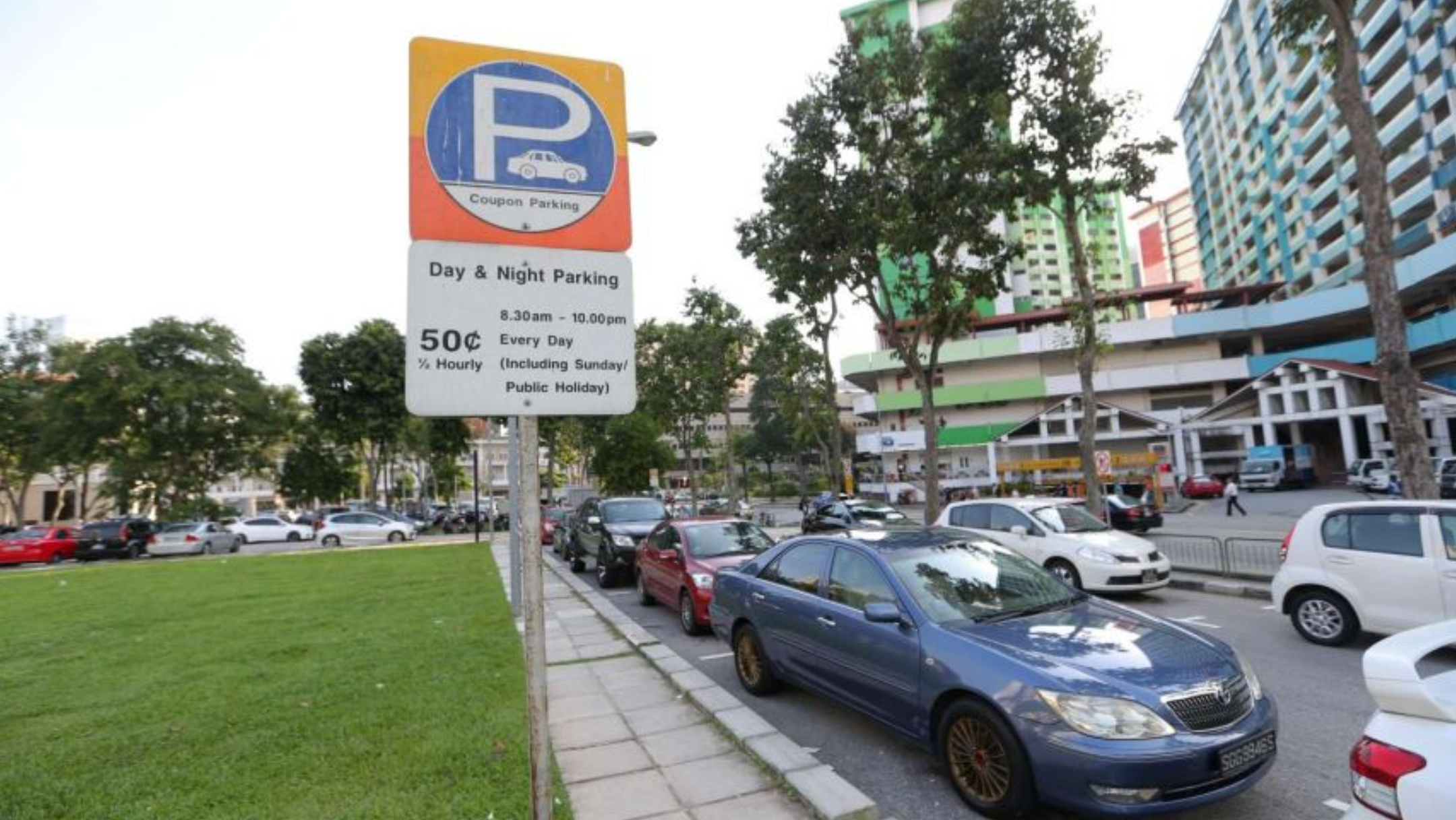
Does the mere thought of parallel parking on a busy street make your heart race? You’re definitely not alone. Many drivers tell me that squeezing into a tight lot is the most stressful part of their journey. But honestly, it’s just physics.
Once you understand the angles and the timing, you will be sliding into lots like you’ve been doing it for decades. Ready to level up your driving game?
The foolproof parallel parking guide
Parallel parking is a science. Most people fail because they rush the process or start from the wrong position. If you want to nail it every single time, you need to follow a specific rhythm.
- Find your spot. Look for a lot that’s at least 1.5 times the length of your car.
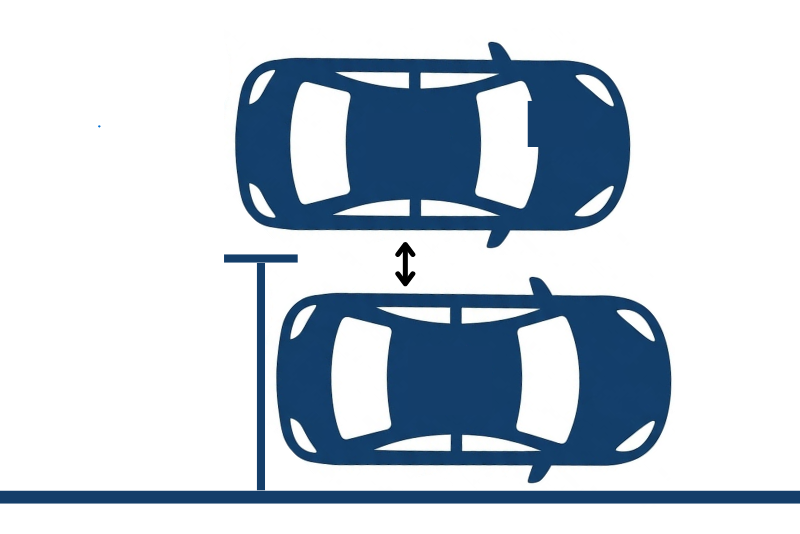
- Align your vehicle. Pull up alongside the car parked in front of the empty lot, and make sure there is about an arm's length of space between your car and theirs.
- Check your surroundings. Before you even think about shifting into reverse, you must check your mirrors and blind spots for cyclists, pedestrians, or other cars that might be trying to overtake you.
- Start the manoeuvre. Shift into reverse. Slowly, release the brake.
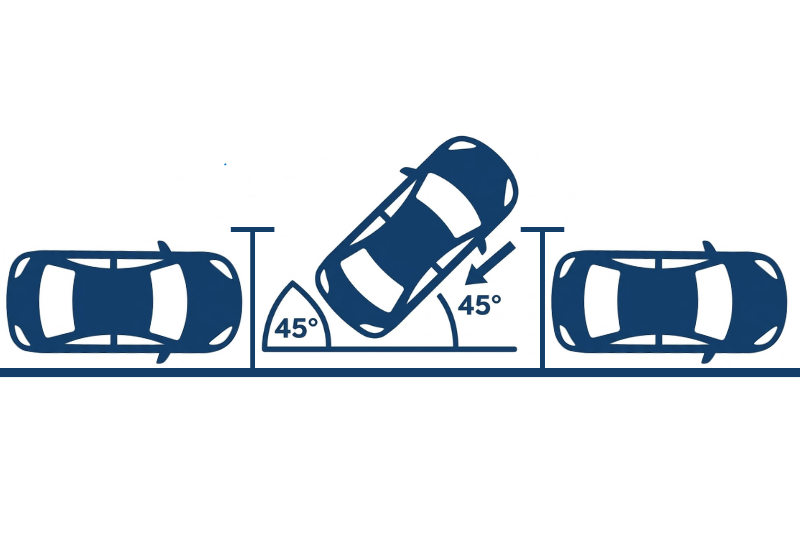
- The 45-degree angle. Turn your steering wheel fully toward the kerb as you back up, and continue until your car is at a 45-degree angle to the road.
- Straighten and tuck. Straighten your wheel and keep reversing until your front bumper clears the rear bumper of the car ahead, then quickly turn the wheel the other way to swing your front end into the lot.
If at any point you feel like you’re in danger of crashing, just head back next to the vehicle in front of you and try again. Just be sure to perform another check for oncoming traffic before you do!
Essential tips for new drivers in Singapore
Getting your license is a huge milestone, but the real learning begins when you are finally alone behind the wheel. The roads here can be unpredictable. Because many new drivers focus too much on the steering wheel, they often forget to check their sides for oncoming cyclists or pedestrians who might be in their blind spots.
Keep your distance
Always maintain a safe following distance. In Singapore, sudden braking is common, especially during the monsoon season when the roads are slippery, and visibility is low. If you stay at least two car lengths behind the vehicle in front, you will give yourself plenty of time to react if something unexpected happens.
Use your signals early
Communication is key on the road. Do not be that driver who signals at the last second because it frustrates others and can lead to unnecessary collisions. By flicking your indicator stalk at least three seconds before you move, you give other drivers time to adjust their speed and give you the space you need to change lanes safely.
Understand your insurance
Since you are starting your driving journey, you should probably know what happens if things go wrong. Whether you’re driving your own car or using a carsharing service, having a clear understanding of your coverage is vital. You can read more about the different types of car insurance in Singapore to stay informed.
Where to practice your skills
If you need a quiet place to hone your manoeuvres without the pressure of traffic, head over to an open-air car park during off-peak hours.
📍 Address: Jurong West Stadium Carpark, 20 Jurong West Street 93, Singapore 648965
⏰ Opening hours: 7am – 10pm daily
🌐 Website: activesgcircle.gov.sg/facilities/jurong-west-stadium
Practice makes perfect, and taking a GetGo car out for a spin to an empty lot is a great way to build confidence. If you are still feeling a bit nervous, you can always consider heading to a driving centre for more professional training resources and refresher courses.
Keep checking your mirrors, and don't forget to look over your shoulder. Things happen fast on the road, and you want to be safe. It takes time. You will get there.
See you on the road,
Amanda 💙
(Featured photo: AsiaOne)


